The protocols, in long form.
Long-form articles on surf medicine, wilderness medicine for water athletes, marine envenomation, and the injuries that show up at remote reef breaks. Each one expands a Surf Intel protocol with full citations and clinical context. Sourced from peer-reviewed literature, Auerbach's, ATLS, and the Wilderness Medical Society. Reviewed before publication.
Recent articles.
-
Lightning and the Lineup: Why Counting Seconds Fails
The 30/30 rule taught a generation to count, and the National Weather Service has quietly stopped teaching it. What replaced it, why the strike mechanism everyone pictures is the rarest one, and why lightning is the one mass-casualty scene where the pulseless are worked first.
Read →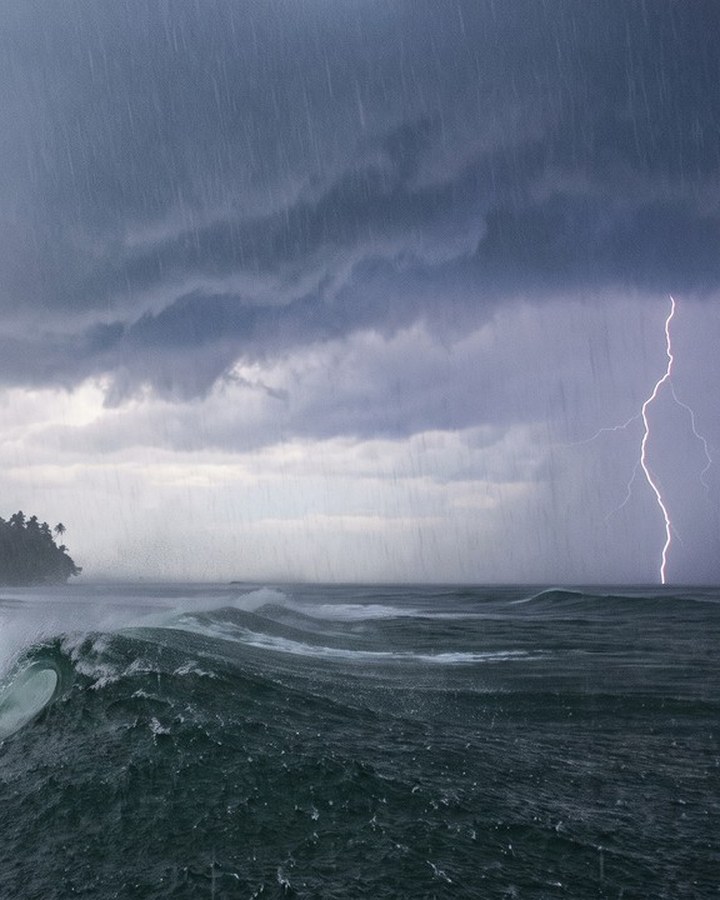
-
Surfer's Myelopathy: Paralysis Without a Wipeout
A non-traumatic spinal cord infarct from sustained prone paddling, not from impact. The prodrome that reads as a pulled muscle, why a lumbar bend produces a thoracic lesion, and why the urgency is diagnostic rather than therapeutic.
Read →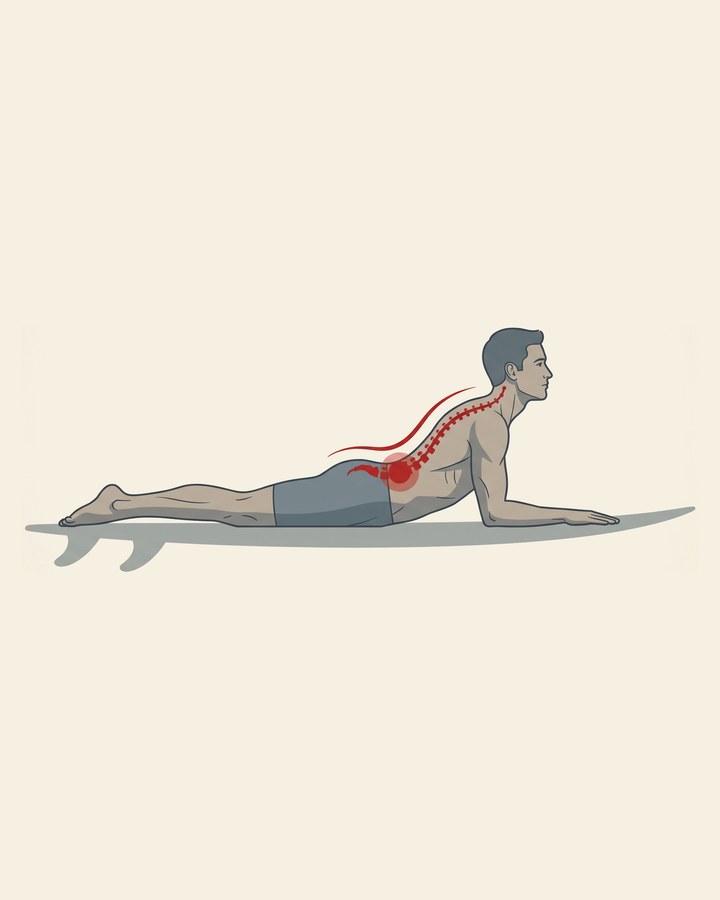
-
Reading the Breath, Part Two: The Patterns a Trained Rescuer Sees
Article one taught one binary: unresponsive and not breathing normally means compressions. This is the next rung. Noisy breathing that means open the airway. Abnormal spontaneous patterns that mean serious brain injury. The post-submersion watch window, and what the evidence actually says about delayed deterioration.
Read →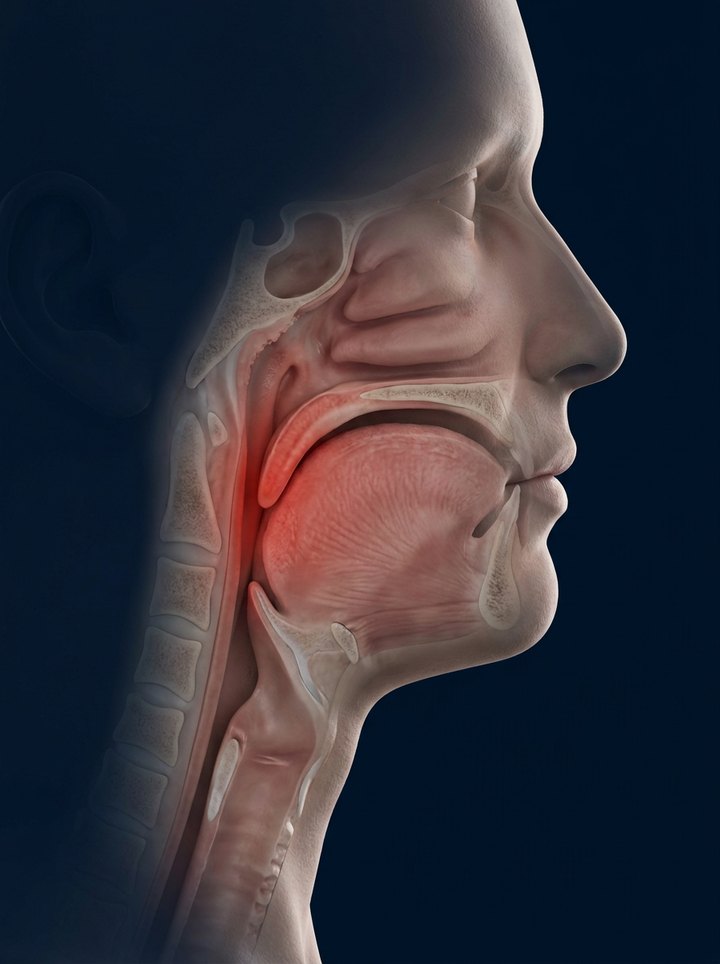
-
Head Injury in the Surf: Reading the Breath
The severe end of the spectrum. Why agonal gasping looks like breathing and isn't. The two patterns side by side. Jaw thrust over head-tilt-chin-lift, every time.
Read →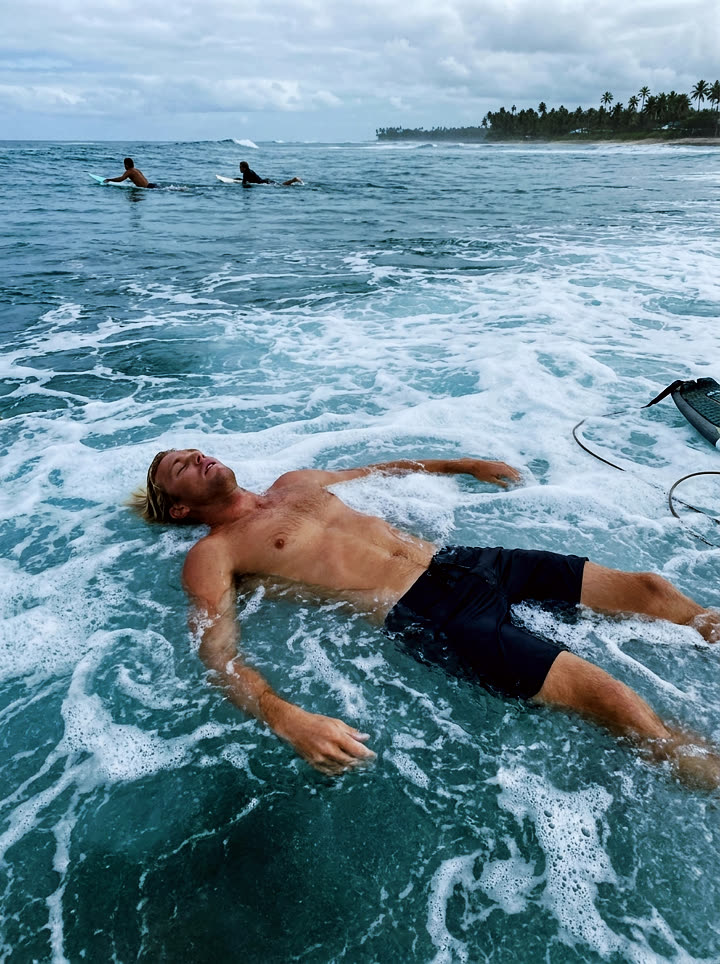
-
Hold-Down Physiology
Your body has a 90-second plan and does not ask permission. The dive reflex, the CO2 alarm, and the shallow water blackout window. Why fighting the hold-down accelerates the danger.
Read →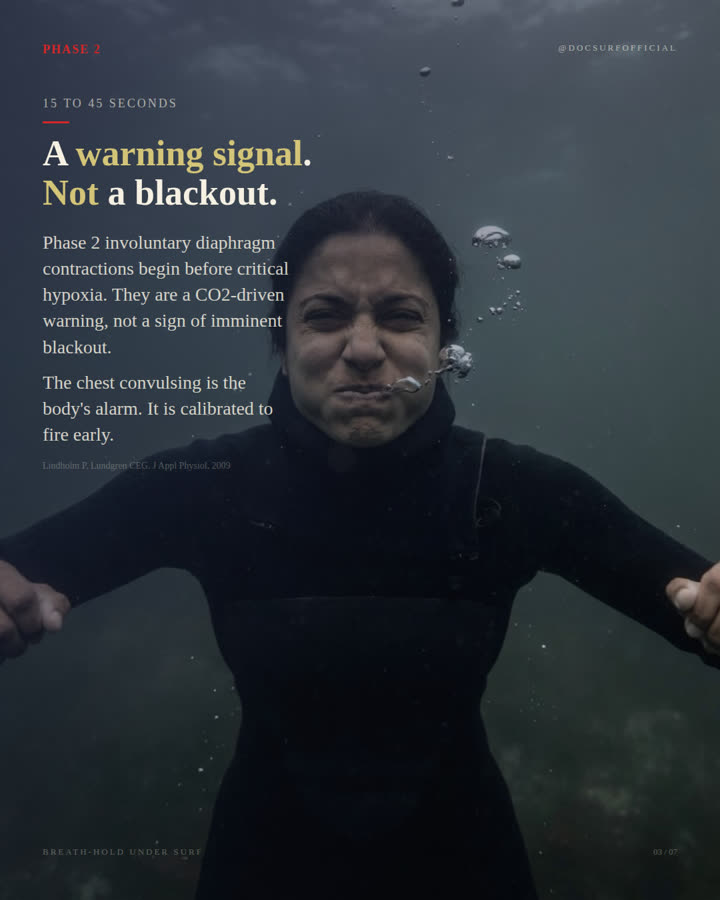
-
Sea Urchin Spine Removal
The Heat-First Rule. Why squeezing fragments the spine deeper, what hot water actually does to echinoderm venom, and the field protocol for removal without retained foreign body.
Read →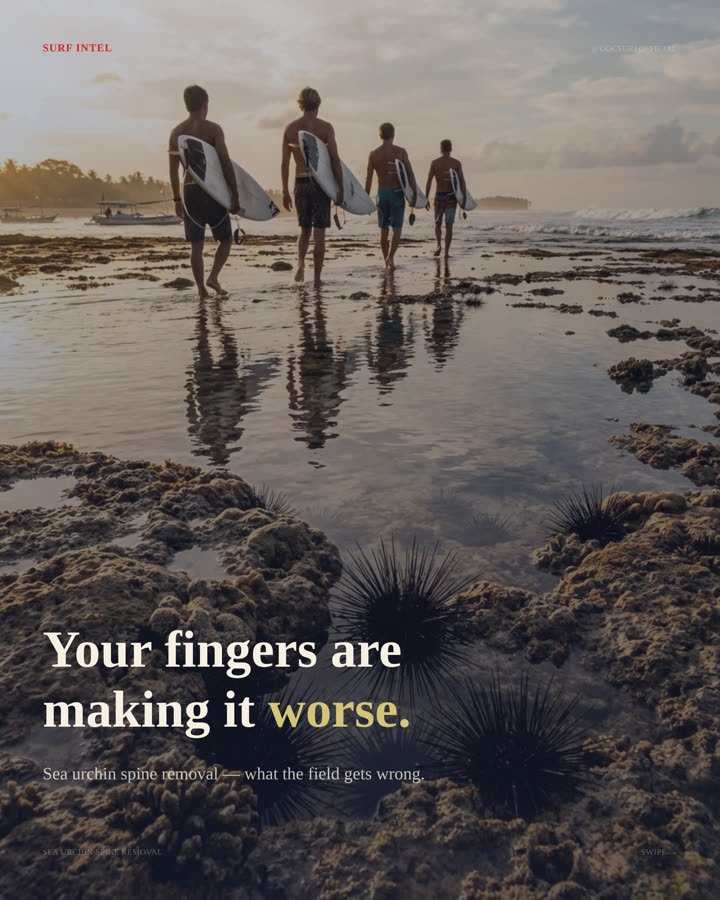
Reference, not reading.
The Library is built for the person who needs the right answer at the wrong time. Articles are organized by injury, scenario, and clinical decision point. Citation lists at the end of every article. Field response steps at the top.
If you want the same content in printable, offline format, the Surf Intel Field Guide, The Watch's Foundational Textbook, ships in July or August 2026. More on the Field Guide →