The work that came after.
Doc Surf is a physician-led education project for surfers, watermen, instructors, and travelers. This is the scene that started it, the standards that shape it, and the boundaries around what this is and is not.
First day on the reef.
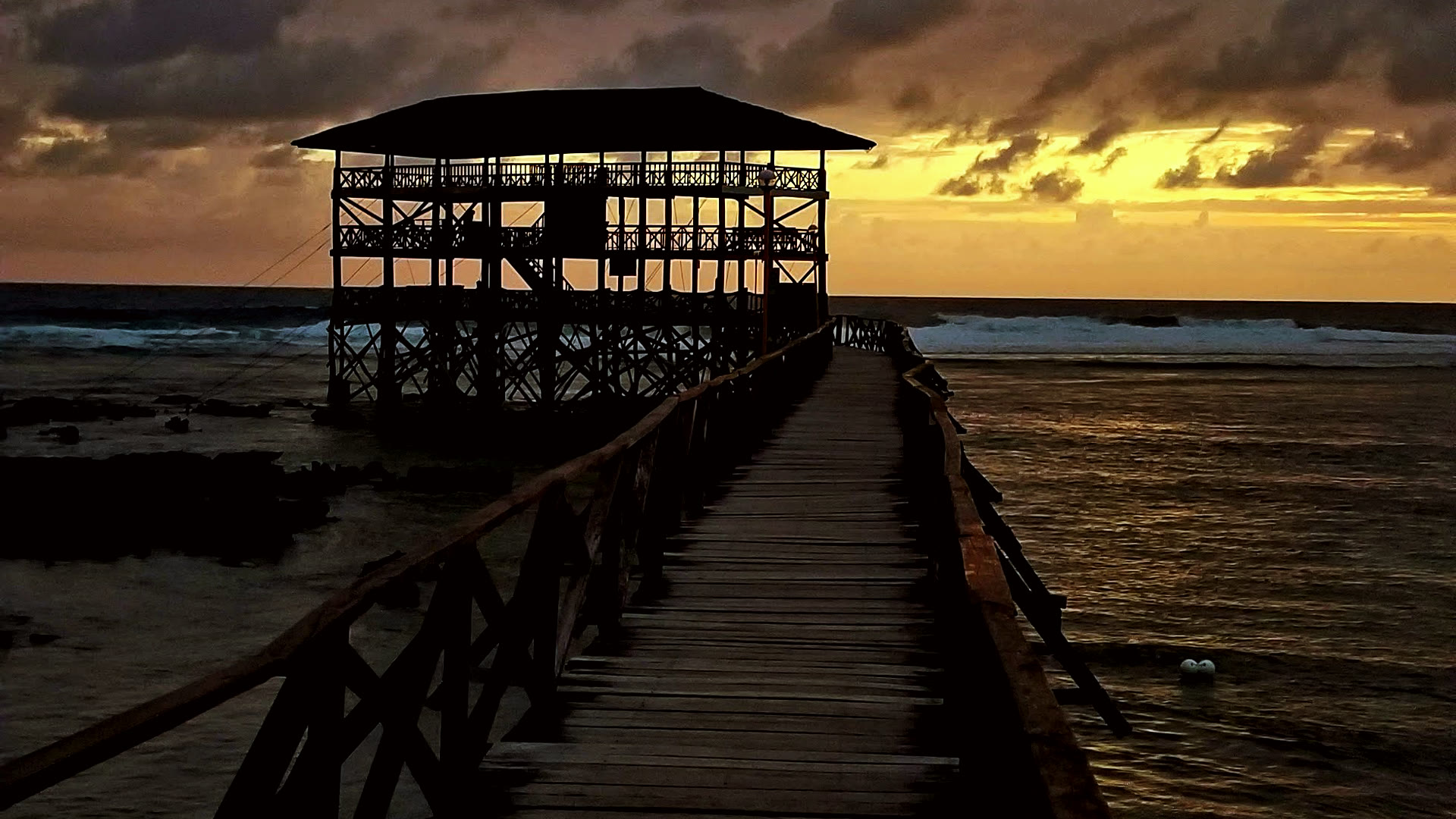
Siargao Island. My first day on the reef. Bags still by the door of the surf camp.
The knock came hard. A woman, breathless. Her father had wiped out on the reef. Sixty years old, drunk on the way out. Shoulder out of socket. Forehead split open.
I had nothing in the room. No suture kit. No reduction tools. No saline. The nearest hospital was an hour by motorcycle on a road that didn't always run when it rained. And it was raining.
That was the day I understood the gap.
The space between standard first-aid training and what actually happens at remote reef breaks is wider than most surfers realize. Doc Surf is the work that came after.
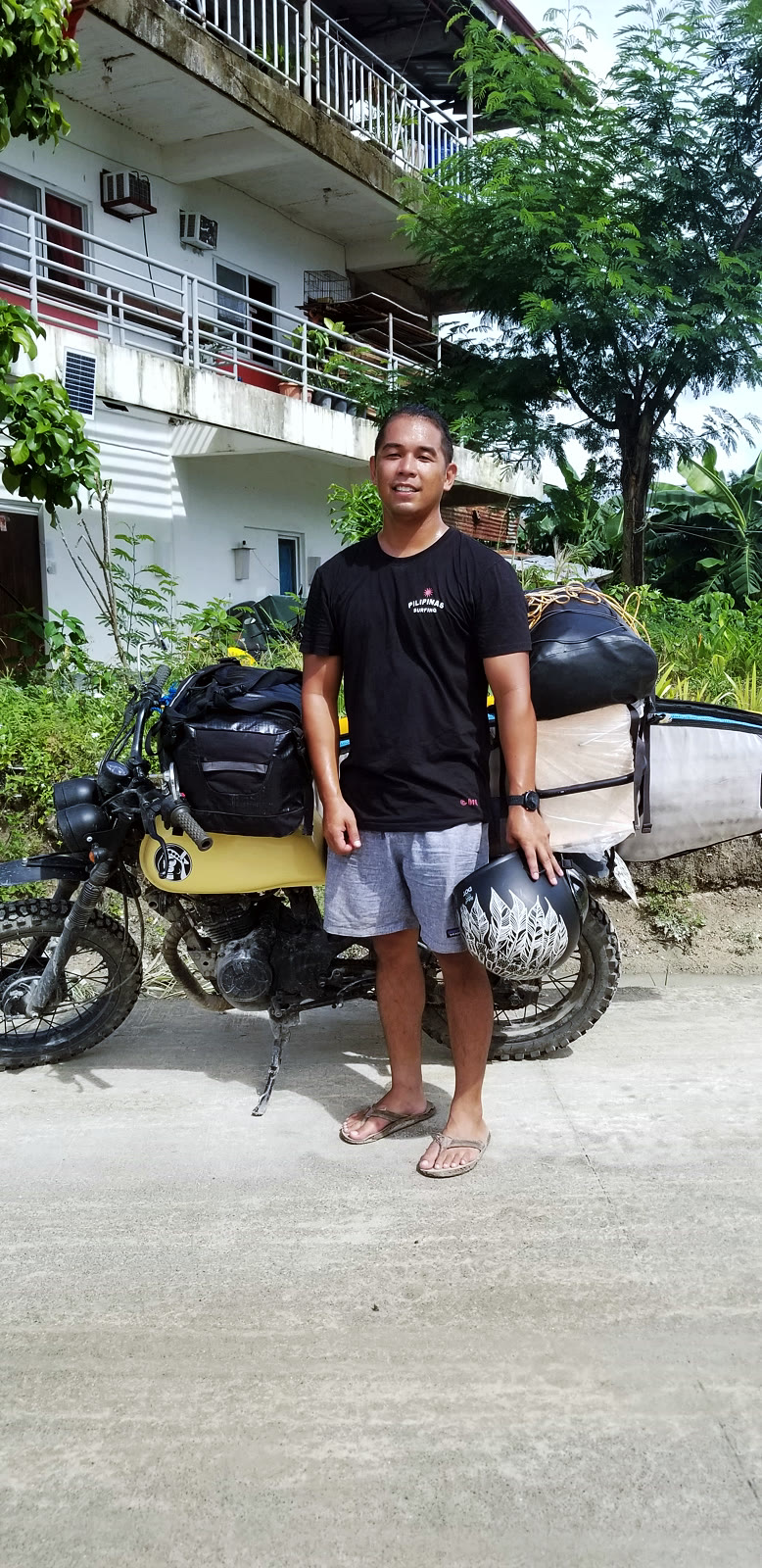
Joshua Divinagracia, MD.
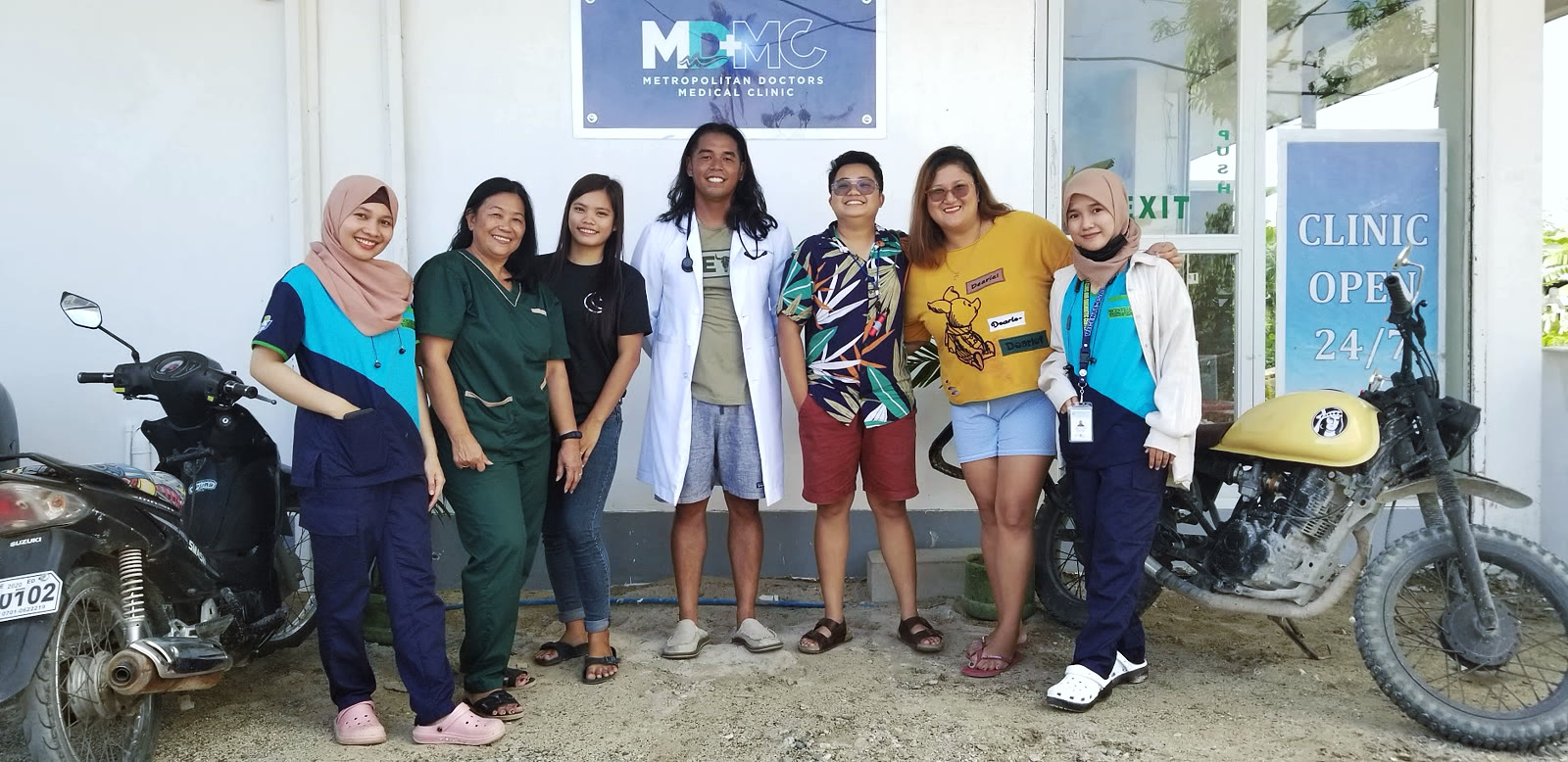
Doc Surf is run by Dr. Joshua Divinagracia. The protocols here come from years working in island and remote contexts: Siargao, Mati, and hospitals and clinics around the Philippines. What shows up there rarely waits for the right tools.
Continuing study of the standard literature in wilderness, sports, and emergency medicine. The clinical references this work draws from, Auerbach's Wilderness Medicine, ATLS, and peer-reviewed journals, are the field's standard. They are not a substitute for direct evaluation by a qualified provider.

Built on these references.
Doc Surf content is sourced from the standard literature of wilderness, sports, and emergency medicine. Cited by name where they appear in protocols and posts.
- Auerbach's Wilderness Medicine, 7th edition. Primary clinical reference for marine envenomation, hypothermia, drowning physiology, and traumatic injury in remote settings.
- Advanced Trauma Life Support (ATLS), 10th edition. Hemorrhage control, head injury, shock recognition.
- Prehospital Trauma Life Support (PHTLS), 9th edition. Field trauma management and transport criteria.
- Wilderness Medical Society (WMS) Practice Guidelines. Consensus protocols for environmental and wilderness emergencies.
- Sport Concussion Assessment Tool (SCAT6) and Concussion Recognition Tool (CRT6). 6th International Consensus on Concussion in Sport, Amsterdam 2022.
- Peer-reviewed literature via PubMed and the standard ophthalmology, otolaryngology, dermatology, and emergency medicine journals.
Doc Surf is the backstop.
Doc Surf does not exist alone. It is the educational and medical-authority backstop for a community: The Watch. Surfers. Lifeguards. Free-divers. Surf coaches. Outrigger paddlers. Charter captains. Search and rescue. Big-wave riders. Body surfers. Spearfishers. Sea kayakers. Foilers. Marine field researchers. Sailors. Fishermen. Dive masters. Coastal medics. Surf photographers. Anyone whose normal life is in places where the nearest hospital is hours away.
The Watch operates on a single internal principle: Do no harm. The same principle a physician swears at the start of practice, imported into the lineup. Watch members are stewards, exemplars, first responders. Not police. Not enforcers. The kind of person you would want next to you in the lineup if something went wrong.
The Surf Intel Field Guide, shipping July or August 2026, is The Watch's Foundational Textbook. The Library is the open-access version of the same evidence base, free to read.
What this is. What it is not.
Doc Surf publishes general field education for surfers, watermen, and outdoor athletes. Protocols, observations, and references drawn from established medical literature.
Doc Surf does not publish individualized medical advice. Reading these pages does not establish a physician-patient relationship. Every injury still requires direct clinical assessment by a qualified provider.